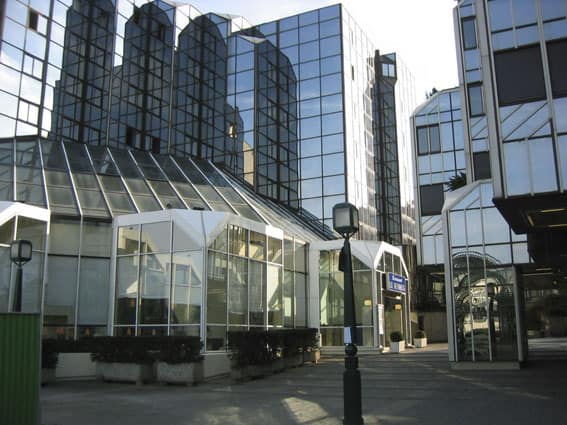
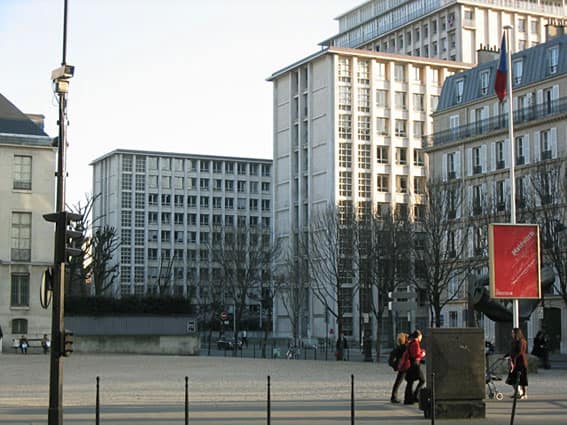
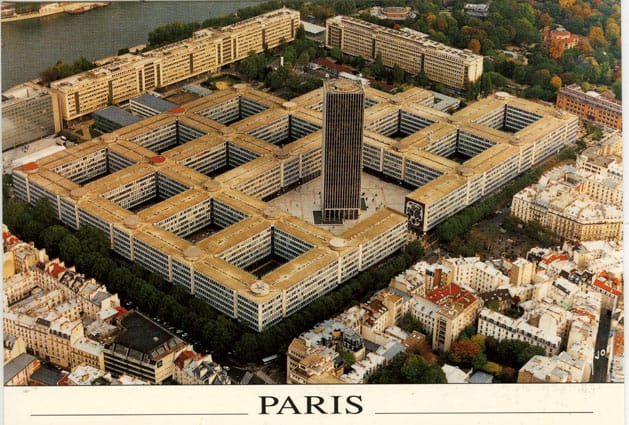
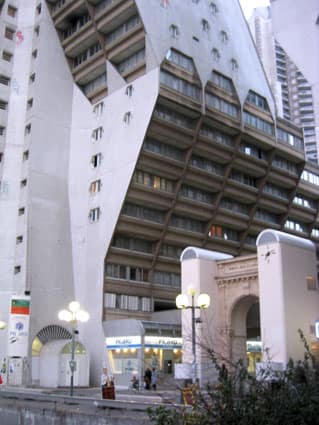
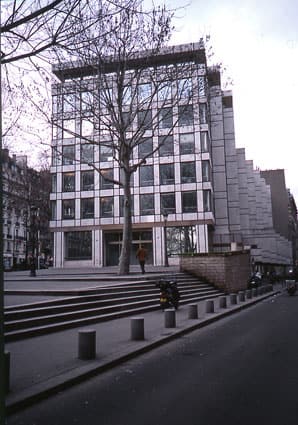
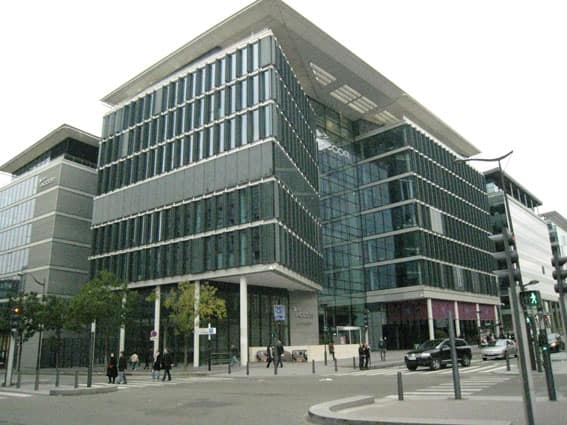
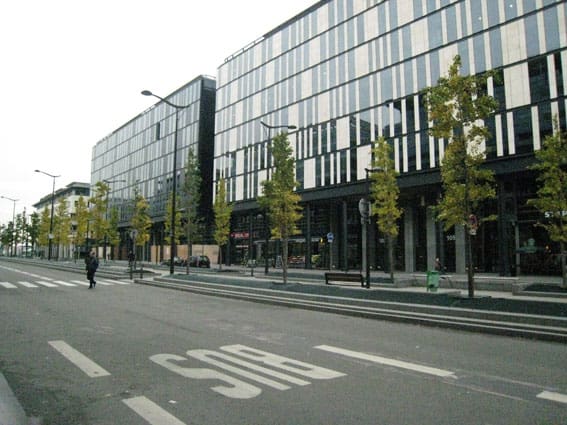
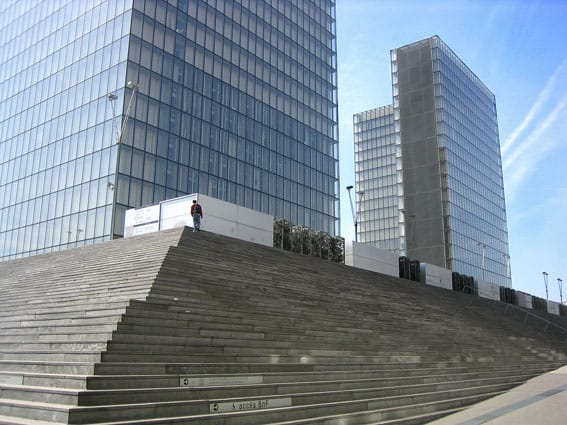
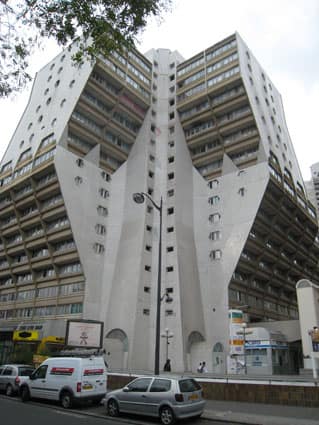
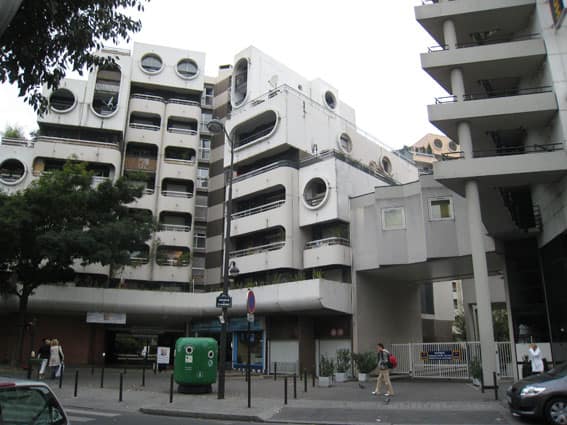
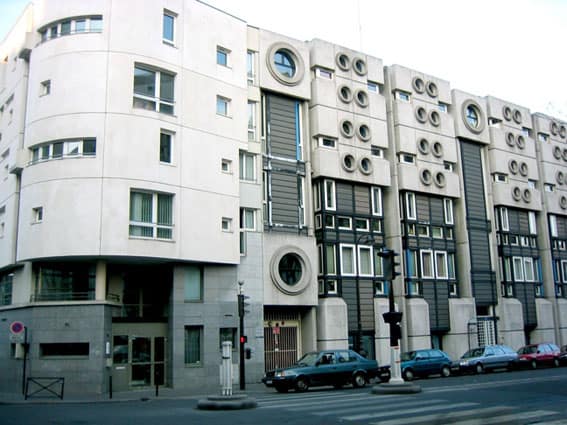
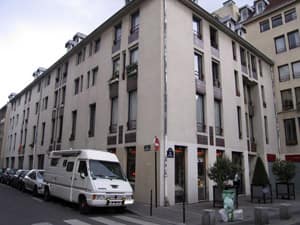
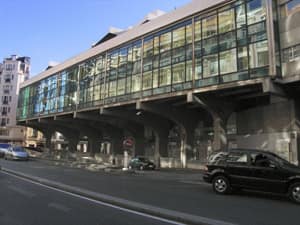
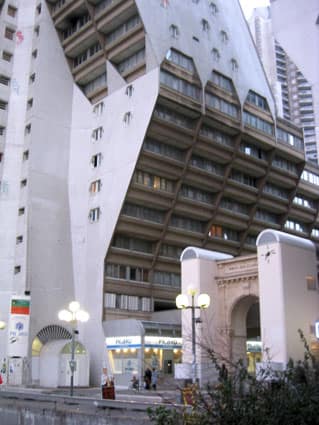
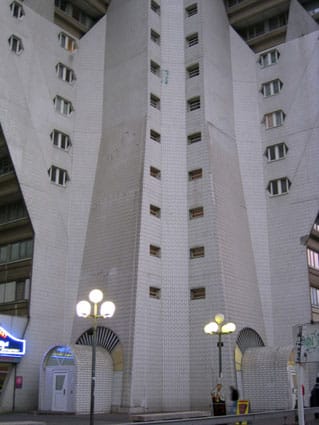
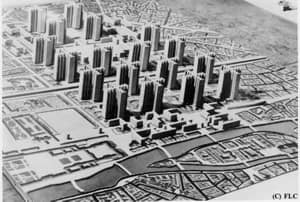
Architectural icon Le Corbusier was clear in his contempt for embellishment and showed it in his “machines for living” concept of architectural design and urban planning. His uber-rationalist approach lead to his famous Plan Voisin that called for the demolition of much of Paris’s Right Bank, including the Marais, full of what he called “meaningless buildings.” In its place he wanted to erect a grid of skyscrapers. Submitted to public viewing in 1925 at the Exposition Internationale des Arts Decoratifs et Industriels Modernes, this madman’s approach to urban renewal was rejected by the French.
My prediction is that some day in the future a young, radical architect will come along and upset the apple cart with the idea of reintroducing embellishment. Architects will deride but the public will adore.
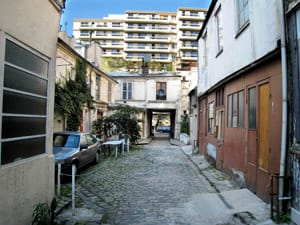
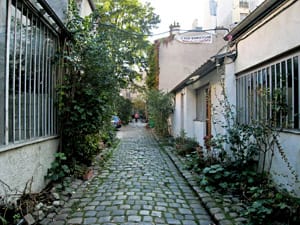
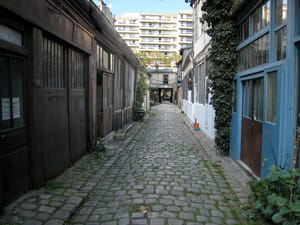
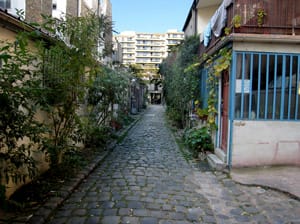
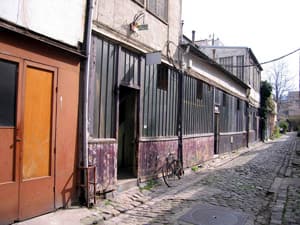
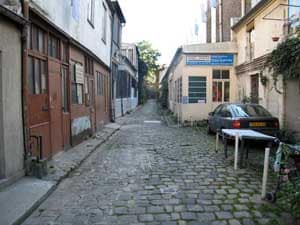
p.s. The issues presented here are being played out, as we speak, in the 11th arrondisement in Paris. At 154 Rue Oberkampf in the Menilmontant quarter, a most charming 19th century cobblestoned passageway, La Cité Durmar, lined on both sides with one and two story ateliers is struggling for its life. Charm is not wanting, another word that will likely elicit a wry smile from your local architect. The cobblestones in the passageway come from the Bastille and are classed of historic value and worth saving.
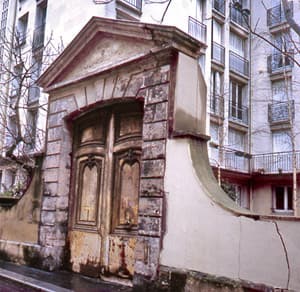
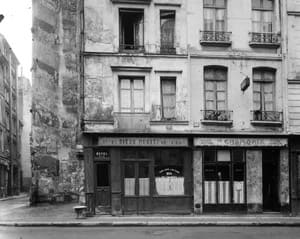
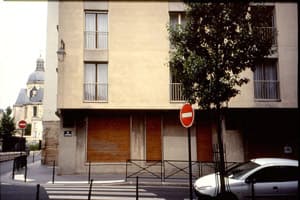
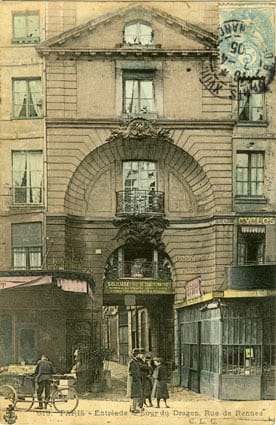
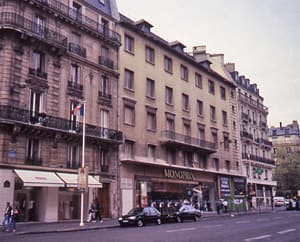
Paris once had many of these sites but they’ve been gobbled up by developer’s wet dreams. One of the most beautiful, Cour du Dragon (Courtyard of the Dragon) built in 1715, was torn down in stages from 1926 to 1958. See 6th arrondisement Rue de Rennes before and after.
I visited Cité Durmar in October, 2007. In one photo here a behemoth apartment complex in the distance shows the type of construction that will go on this spot if the passage is razed.
Mayor Delanoe has done much to make Paris more habitable. I am told he wants to be remembered as one who respects “La Patrimoine,” French heritage. What better place to show his sincerity than here. He has already reversed an old trend of cutting back sidewalks in order to widen streets so as to adapt the city to the automobile by widening sidewalks, narrowing streets and adding bike lanes.
His Velib project, placing thousands of bicycles around Paris for practically free use has been most successful. Now he would do well to bring his weight on the side of the little guy in this David and Goliath scenario. To see for yourself go to Google Earth. Enter the address 154 Rue Oberkampf, Paris, France, and fly over for a look. Hit the button for Roads and the name Cite Durmar will come up. I photographed the handbill on the large door to the passageway. The first line reads “We, the occupants of la Cité Durmar need help to make known the danger we face.”
If the developers win and Cité Durmar is lost we can imagine the long list of reasons trotted out to justify the project. They will all make sense. And in that case the passing of Cité Durmar will go into the book I promise to write some day, When Terrible Things Are Done for Good Reasons.
Save Cité Durmar!
Note: The only photos here that are not mine are the Suburb of Nanterre the Campus of Jussieu and two of the three Durmar photos. To see more on Cité Durmar go to the French site www dot jardinsenville dot com.

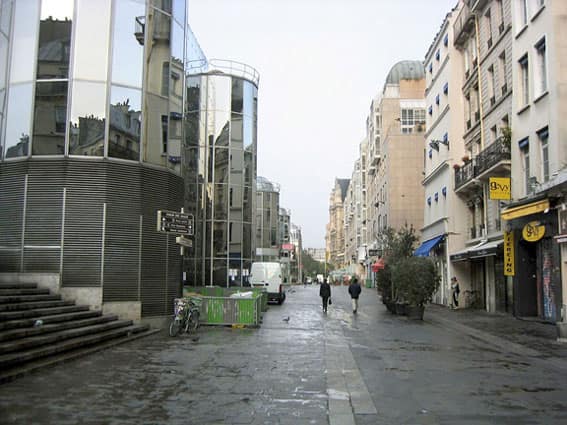 1st arrondisement, Les Halles Rue Rambuteau